
Our Newsletter Posts
View our recent newsletter posts below. If you would like to have us send our monthly newsletter straight to your inbox, sign up to our email list using the subscribe button.
Search for a post

Renegotiating After You’ve Signed: The Email That Ended a Property Sale
After their bond was withdrawn, the buyers were given time to arrange new finance. Instead, one of them emailed the conveyancer saying they would only apply for another bond after the seller repaired an alleged defect or agreed to reduce the price. The seller understood this to mean that the buyers would not proceed on the terms they had already accepted. She cancelled the sale, and the High Court agreed that she was entitled to do so. The buyers lost the sale and the money already paid and faced further financial consequences.
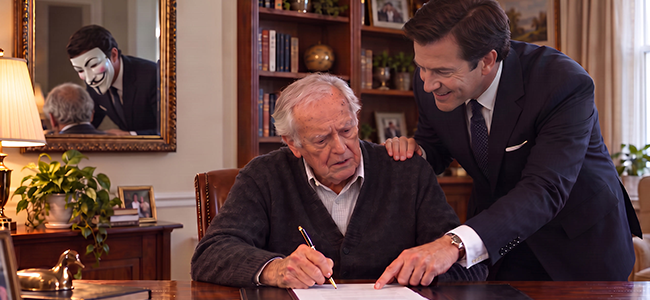
Was it Even His Signature? How to Overturn a Fraudulent Will
It’s unfortunately all too common a tale. Out of the blue, an older person, rendered vulnerable by age or illness, acquires a new “friend”. Before anyone in the family realises what’s going on, their loved one has died, and the fraudster claims to be sole heir in terms of a last-minute will. No surprise then that our courts must often determine whether a deceased person’s last will was tainted by incapacity, undue influence, fraud, or even forgery. The sad tale of a 90-year-old man who left behind two conflicting wills is a good example of how our courts approach these situations.

Employ a Foreign National? What You Must Check Now, and What Could Change
Under the current law, it is already illegal to employ someone who is not legally entitled to work in South Africa. This applies to businesses and to households employing foreign domestic workers, nannies or gardeners. A new Bill proposes additional duties and higher penalties for employers, but these changes are not yet law. Employers should therefore comply with the existing law and remain alert to the proposed changes.

Can Your Complex Cut Off Your Biometric Access Over Unpaid Levies?
Your fingerprint suddenly stops working at the estate gate. You can still get home, but only through the visitors’ lane. Can your homeowners’ association cut off your biometric access because it says you owe levies? A recent High Court judgment says an association cannot use biometric access to enforce an alleged default. The case also confirms that biometric access to your home can be protected as part of your possession of the property.

National Wills Week: Do You Really Need 6 Types of Will?
At the heart of your estate planning is your will (“Last Will and Testament”). Without it, you lose your right to choose your heirs, to choose the executor of your estate, and to choose who will look after your children and your family trusts when you die. But there’s lots of online chatter about other types of “will” such as offshore wills, digital wills, business wills, ethical wills and living wills. What are they and do you really need to put them all in place?

Better Late Than Never: Marriage Law Drags Itself into the 21st Century
For decades, South African law used the husband’s legal home at the time of marriage to decide which country’s law governed a couple’s financial and property rights when they had ties to more than one country. A recent Western Cape High Court judgment declared that rule unconstitutional and introduced a gender-neutral framework for deciding which country’s law applies. Courts elsewhere in the country are not bound by the judgment but are likely to follow it.

A Pothole Causes You to Crash. Can You Sue the Government?
In most cases hitting a pothole results in a damaged tyre or wheel. But for one unfortunate motorcyclist who hit a 60cm behemoth near George, it meant losing a leg. The High Court held the Department of Infrastructure liable for his damages, finding that the roads authority had failed to detect, repair or warn road users about a dangerous defect it knew, or should have known, about.

Can Your Neighbour’s CCTV Camera Point into Your Property?
Home security cameras are increasingly common, but protecting your property does not give you an unrestricted right to monitor your neighbours. A dispute between Cape Town neighbours has clarified where the line may be drawn. The bottom line? CCTV surveillance of a neighbour’s private spaces can infringe their constitutional rights to privacy and dignity.

Cancelled Sale, Damaged Property. Who Pays?
When a sale falls through, most people assume restitution means simply giving back the money and the property. A recent High Court decision shows it is rarely that straightforward, particularly if the property itself has changed in the interim. The ruling explains how restoration costs should be worked out, and why the condition of the property when occupation begins can matter years later.

Can Family Conflict Kibosh a Trust?
When a trust’s founder dies, families often assume that whatever they said they wanted will be honoured, even if the trust deed was never changed to reflect it. A recent Supreme Court of Appeal decision confirms that this is not how trusts work. What governs a trust after the founder’s death is the trust deed itself, not the wishes they expressed at family meetings in their final years.