
by Wessels + Van Zyl Inc | Sep 24, 2026 | Property
After their bond was withdrawn, the buyers were given time to arrange new finance. Instead, one of them emailed the conveyancer saying they would only apply for another bond after the seller repaired an alleged defect or agreed to reduce the price. The seller understood this to mean that the buyers would not proceed on the terms they had already accepted. She cancelled the sale, and the High Court agreed that she was entitled to do so. The buyers lost the sale and the money already paid and faced further financial consequences.
by Wessels + Van Zyl Inc | Sep 24, 2026 | Wills and Estate Planning
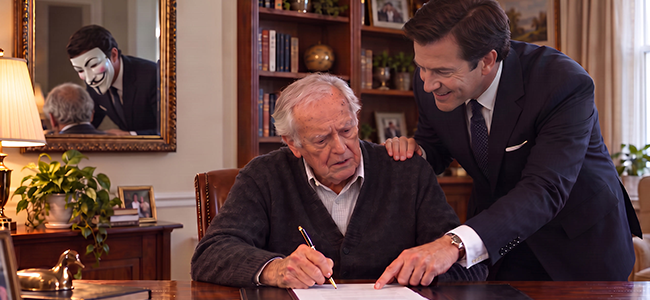
It’s unfortunately all too common a tale. Out of the blue, an older person, rendered vulnerable by age or illness, acquires a new “friend”. Before anyone in the family realises what’s going on, their loved one has died, and the fraudster claims to be sole heir in terms of a last-minute will. No surprise then that our courts must often determine whether a deceased person’s last will was tainted by incapacity, undue influence, fraud, or even forgery. The sad tale of a 90-year-old man who left behind two conflicting wills is a good example of how our courts approach these situations.

by Wessels + Van Zyl Inc | Sep 24, 2026 | Employment and Labour Law
Under the current law, it is already illegal to employ someone who is not legally entitled to work in South Africa. This applies to businesses and to households employing foreign domestic workers, nannies or gardeners. A new Bill proposes additional duties and higher penalties for employers, but these changes are not yet law. Employers should therefore comply with the existing law and remain alert to the proposed changes.
by Wessels + Van Zyl Inc | Sep 24, 2026 | Property
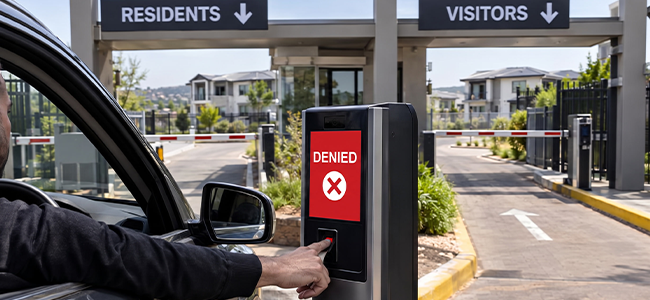
Your fingerprint suddenly stops working at the estate gate. You can still get home, but only through the visitors’ lane. Can your homeowners’ association cut off your biometric access because it says you owe levies? A recent High Court judgment says an association cannot use biometric access to enforce an alleged default. The case also confirms that biometric access to your home can be protected as part of your possession of the property.

by Wessels + Van Zyl Inc | Aug 26, 2026 | Wills and Estate Planning
At the heart of your estate planning is your will (“Last Will and Testament”). Without it, you lose your right to choose your heirs, to choose the executor of your estate, and to choose who will look after your children and your family trusts when you die. But there’s lots of online chatter about other types of “will” such as offshore wills, digital wills, business wills, ethical wills and living wills. What are they and do you really need to put them all in place?
