
“Good fences make good neighbours.” (Proverb)
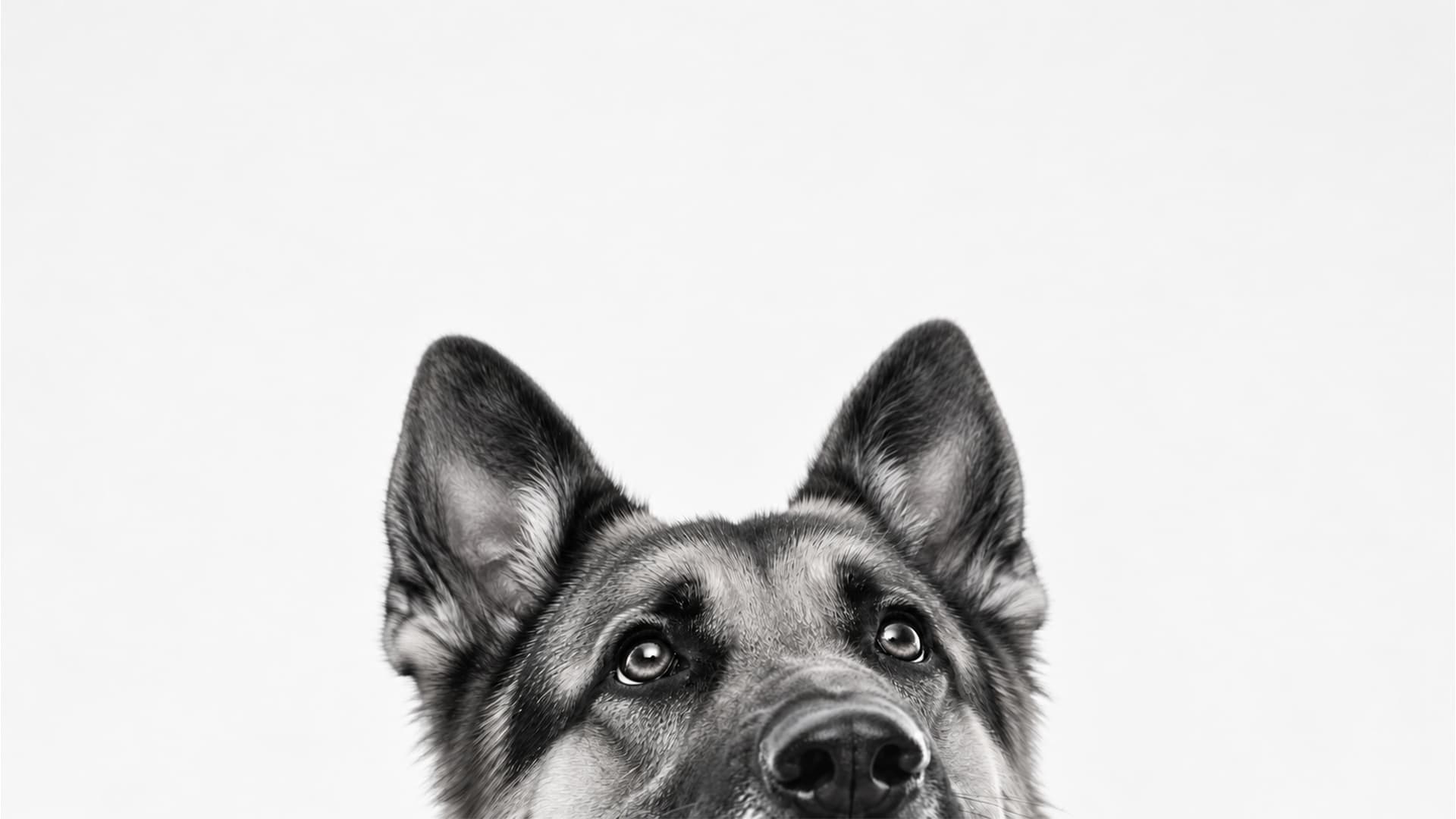
Two neighbours in Thornton, Cape Town, shared a boundary wall. One kept three dogs, including a watchdog named King.
On the Day of Reconciliation in 2018, while the owner was out at a birthday breakfast, King bit the man next door on the mouth. Video footage showed that the man was standing in his own yard with his head peering over the wall into his neighbour’s yard when King jumped up and bit him.
The dog’s owner testified that he had asked his neighbour more than once to stop trying to talk to or play with the dogs because it agitated them. The man sued for damages. He attended the trial but chose not to testify. The Court drew an adverse inference from that decision and accepted the uncontradicted evidence led for the owner.
Does the owner have to be at fault?
Not necessarily. Under a remedy inherited from Roman law, an owner can be liable without proof of negligence when a domesticated animal causes harm by behaving contrary to what is expected of a well-behaved animal of its kind, from its own impulses and not an outside cause. Where those requirements are met, showing that the owner took reasonable care does not defeat the claim.
But this is not a blanket get-out-of-jail card. Defences include
- the injured person’s negligence causing the animal’s reaction
- provocation or another external cause
- the injured person being somewhere they were not lawfully entitled to be
- the victim voluntarily accepting the risk
The Court found that the claimant had established a preliminary case: he alleged that the owner’s dog had bitten him without apparent cause, and the owner admitted the bite. It therefore required the dog’s owner to lead evidence supporting his defences.
Why did the claim fail?
The claimant’s counsel argued that the owner had never used the word “provocation”, and that putting your head over a wall is not trespassing. The Court said the labels did not matter. What mattered was that the claimant’s own conduct had caused the dog to react.
The Court also found that the claimant’s negligence was the sole cause of the bite. A reasonable person would have seen that the dogs were not responding to him in a friendly way and kept his distance.
He also knew that these were guard dogs and that they became agitated and barked whenever he came to the wall. By putting his head into their yard anyway, he voluntarily assumed the risk of being bitten.
What about the owner’s own negligence?
The claimant argued that the owner had been negligent, among other things by not raising the wall. That claim required him to prove fault. The Court found that he had not discharged that burden, having led no evidence. Both claims were dismissed with costs.
How far does the judgment go?
The judgment turned on the video footage, the owner’s earlier warnings and evidence that the claimant did not contradict. The Court did not need to decide whether leaning over the wall amounted to trespassing.
Do not take the ruling to mean that issuing a warning, or keeping a dog for security, will protect an owner in every case.
Bitten by someone else’s dog, or facing a claim over your own? Speak to us about where you stand.
Disclaimer: The information provided herein should not be used or relied on as professional advice. No liability can be accepted for any errors or omissions nor for any loss or damage arising from reliance upon any information herein. Always contact us for specific and detailed advice.
© LawDotNews